0363 981 937
info@bqtseafood.com.vn



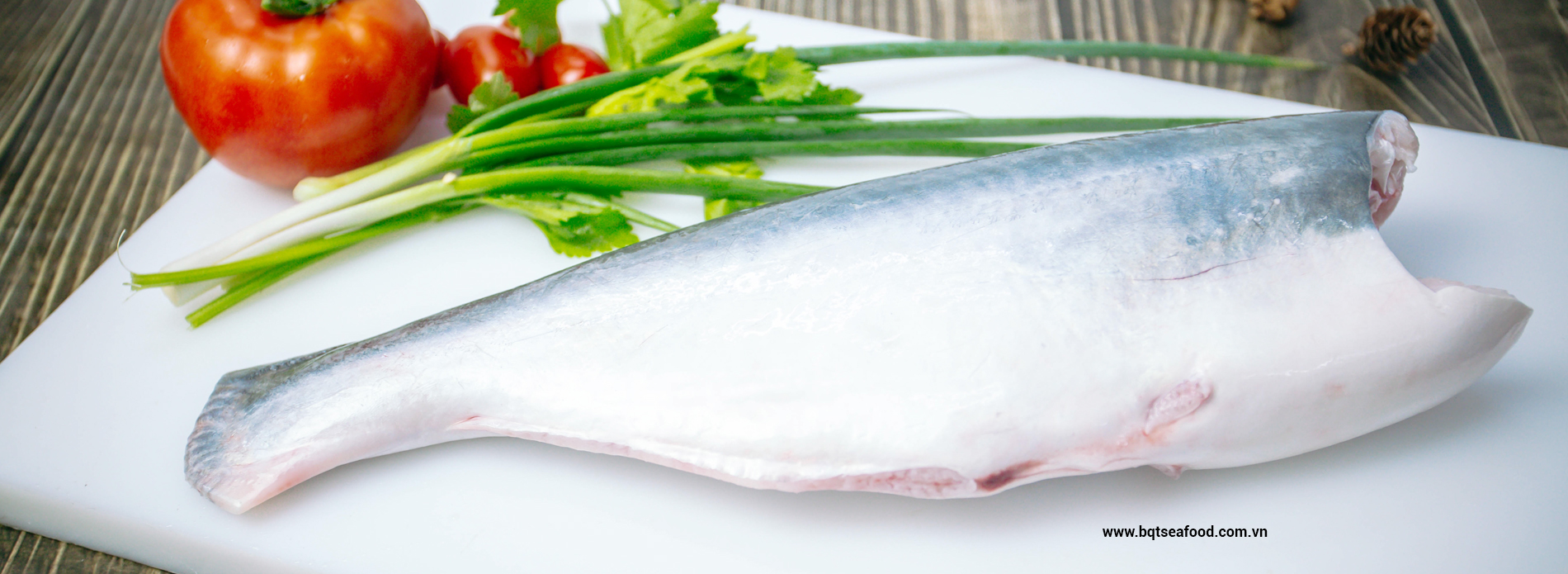
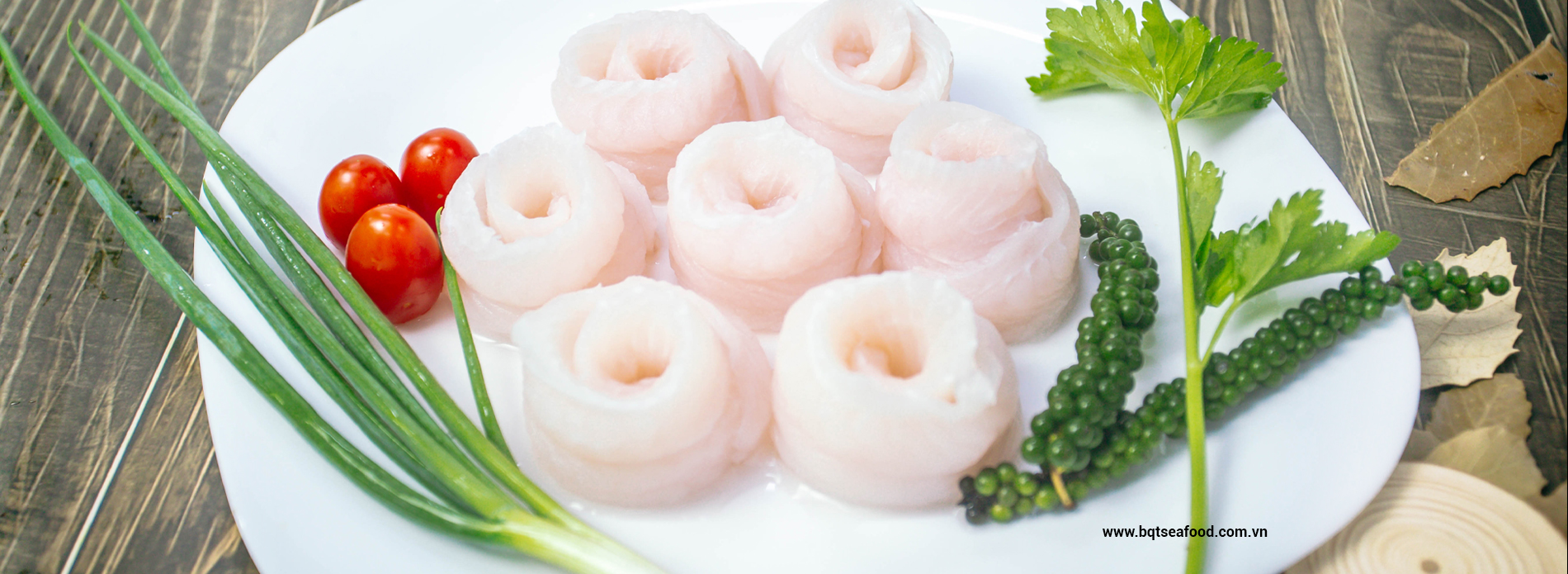

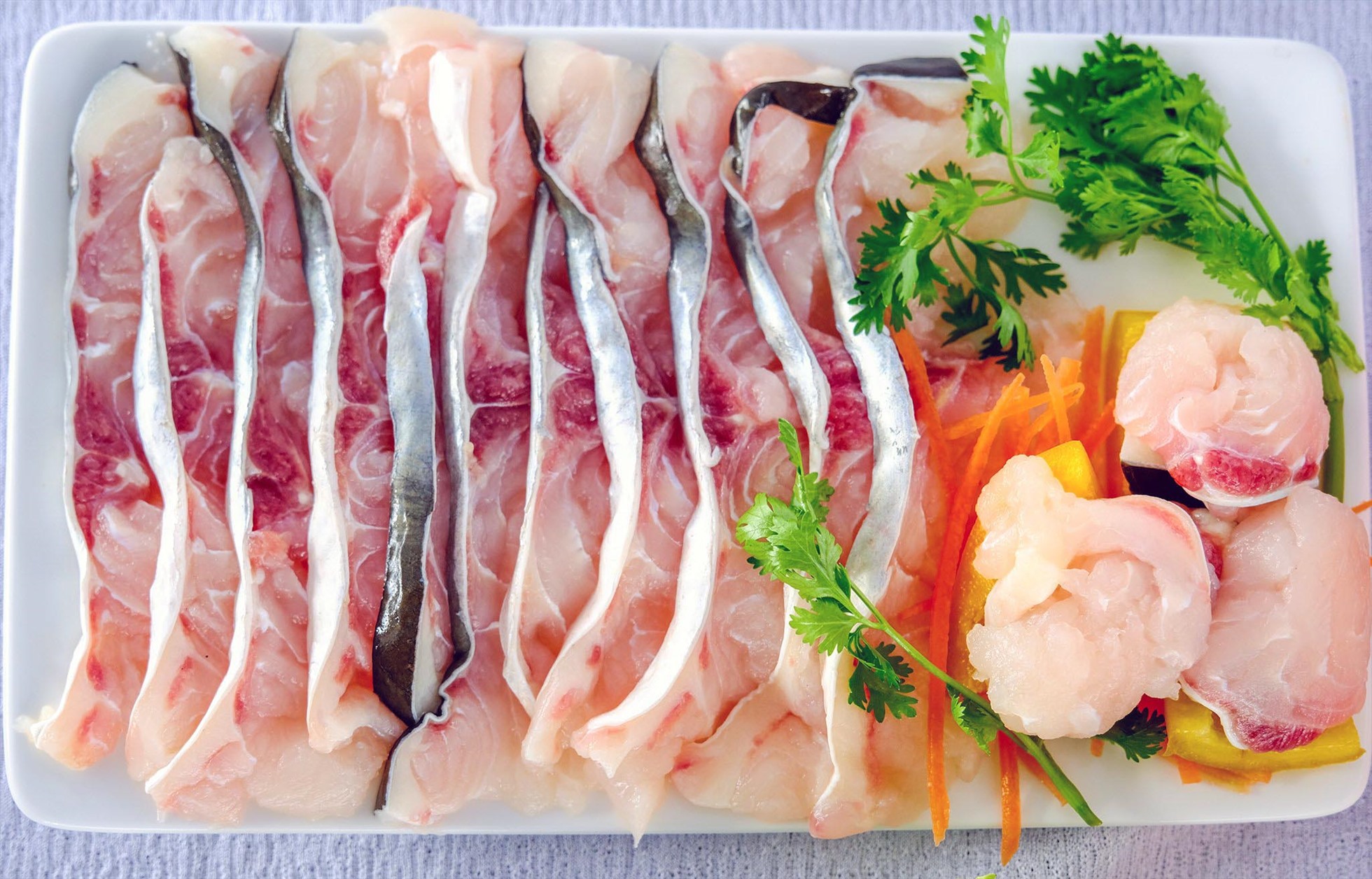
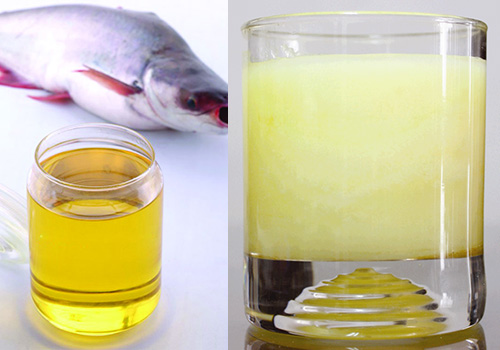
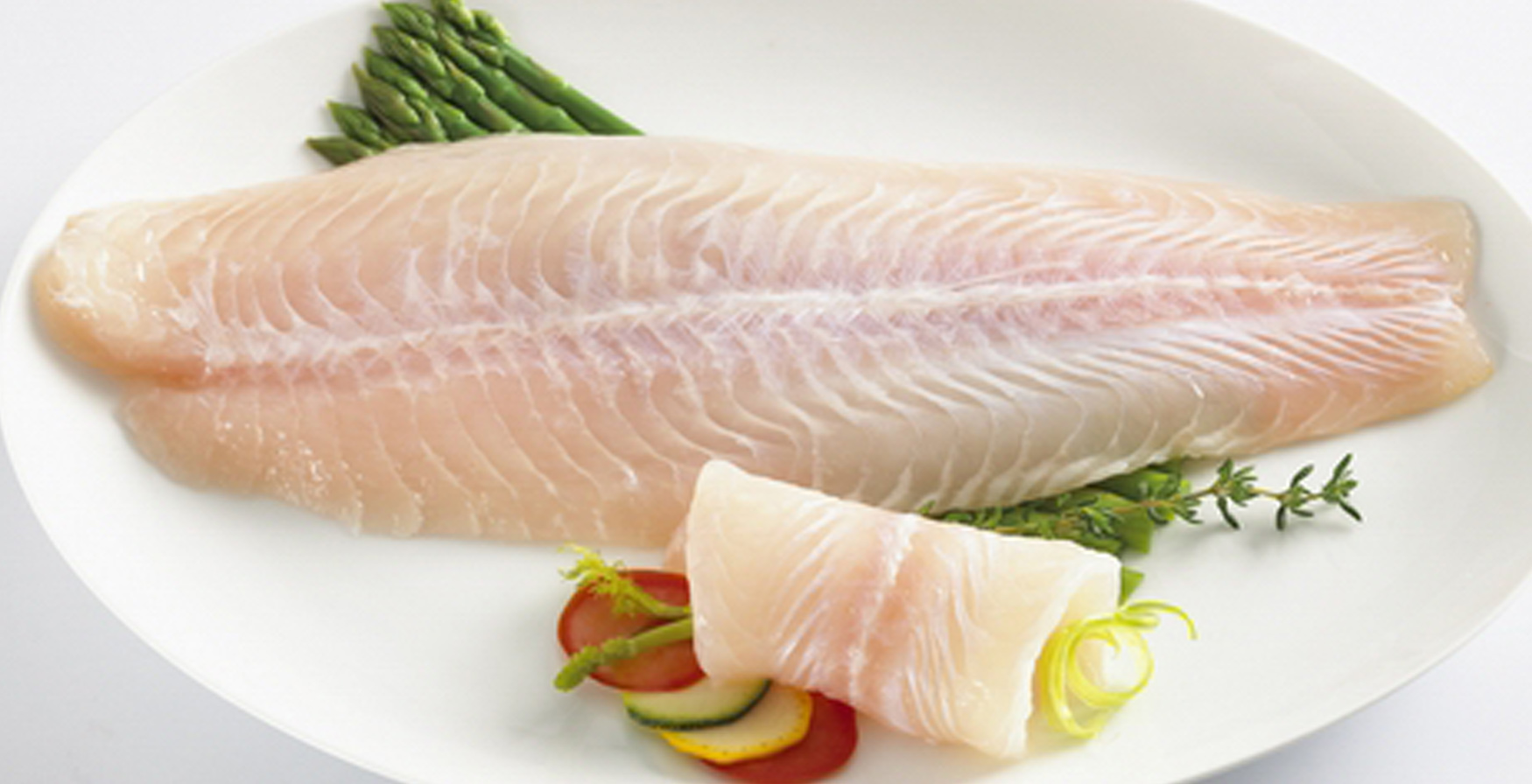
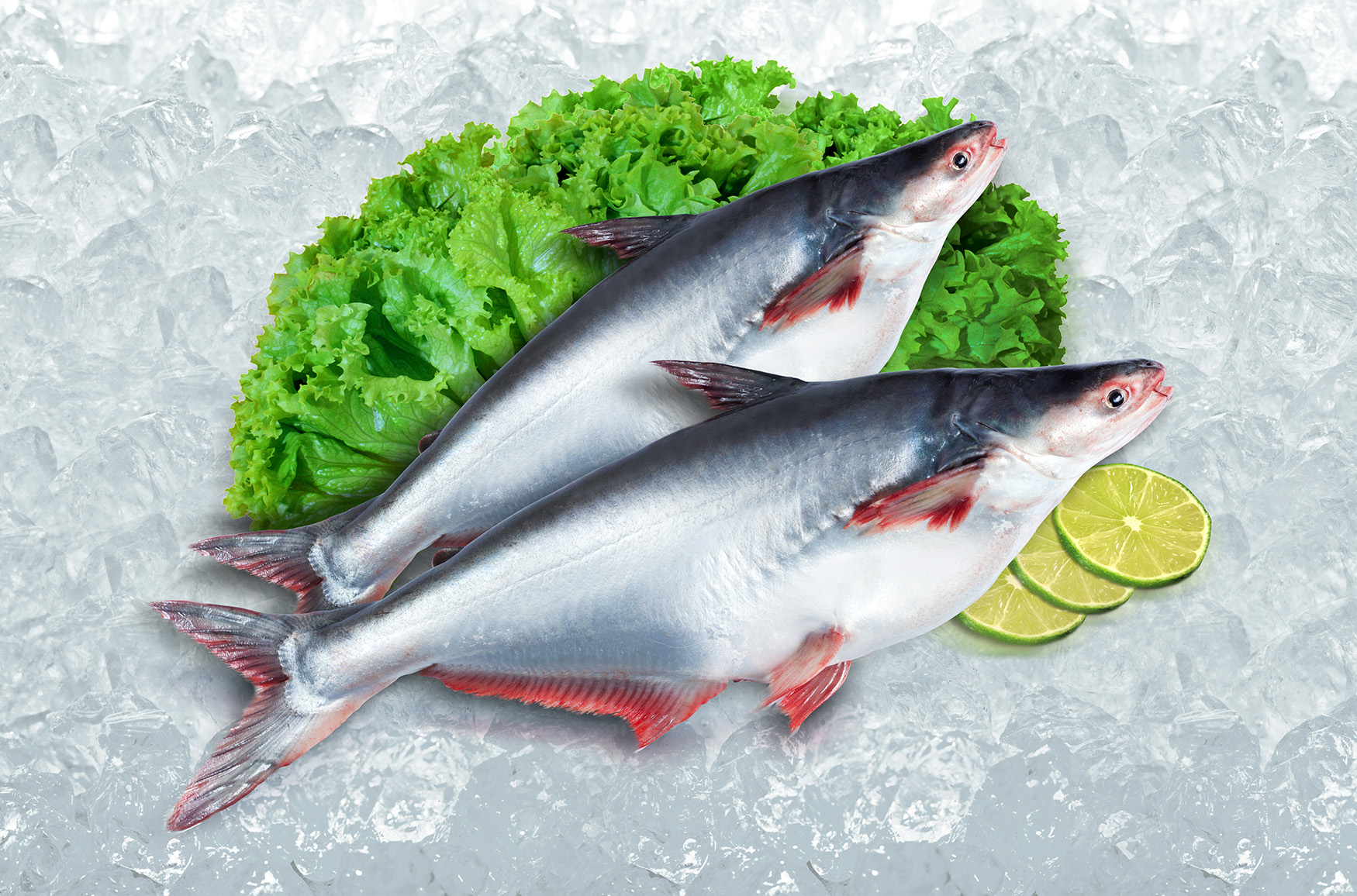
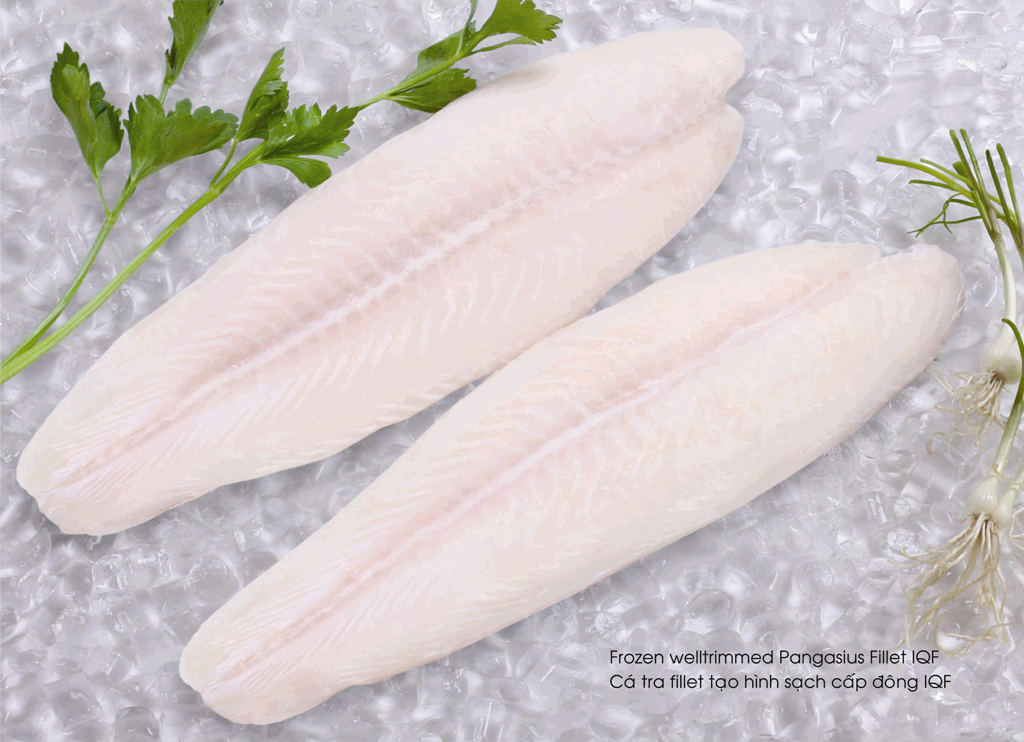
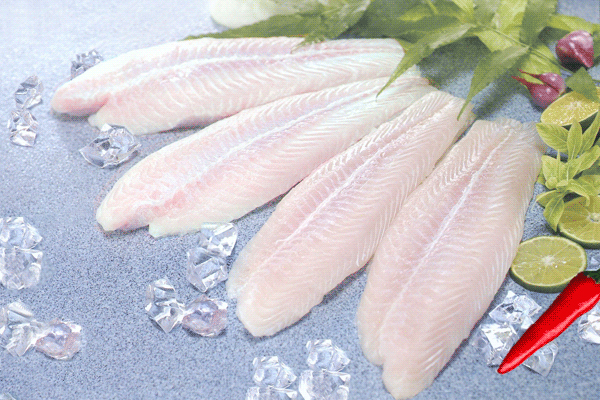
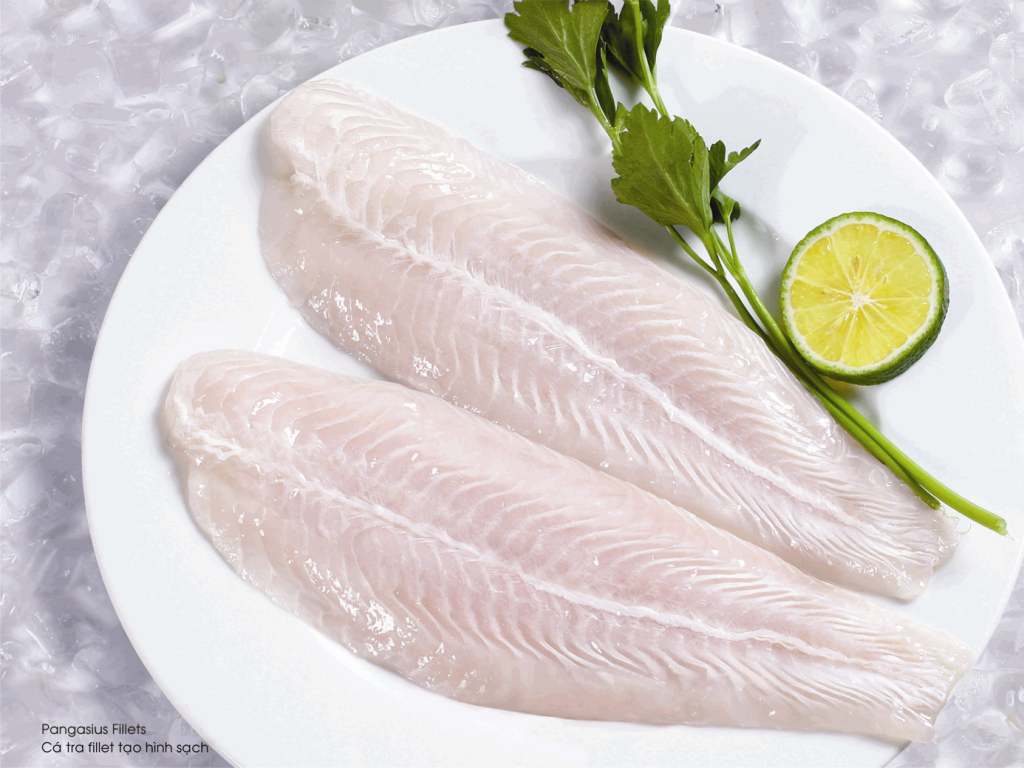
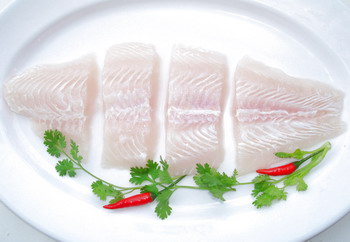
Pangasius (tra fish) is not only a familiar dish with a delicious flavor and firm texture, but also a rich source of nutrients. High in Omega-3, 6, and 9, DHA, EPA, and Vitamin E, pangasius offers strong benefits for cardiovascular health, brain development, and anti-aging support. Nutrition experts recommend eating 2 to 3 fish meals per week so the body absorbs sufficient essential nutrients.
Vietnamese pangasius is a whitefish species originating from the Mekong Delta region. It is widely favored around the world for its natural sweetness, firm flesh, and versatility in cooking. Today, Vietnamese pangasius is exported to more than 50 countries and territories, helping elevate the value and reputation of Vietnam's seafood industry globally.
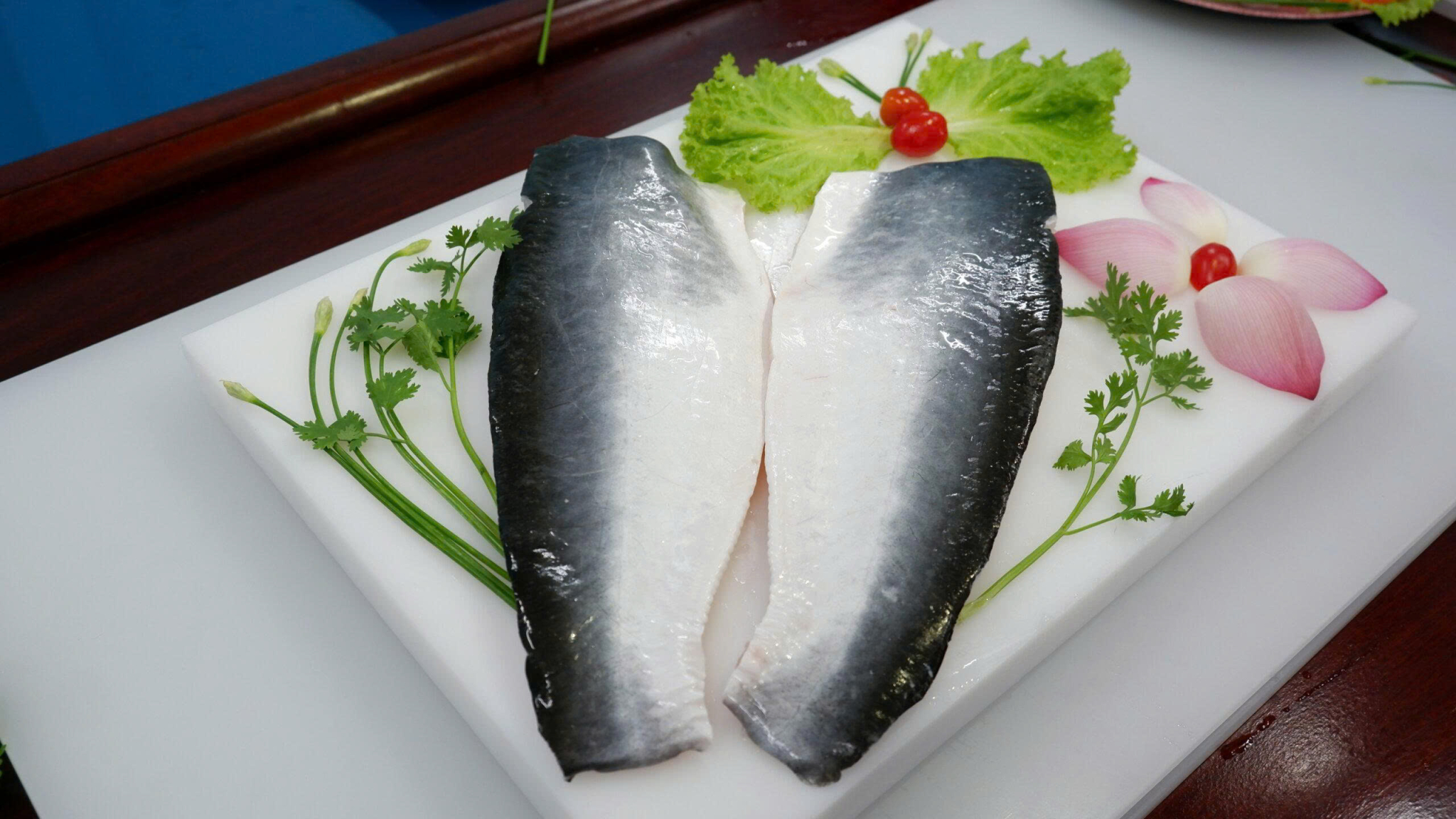
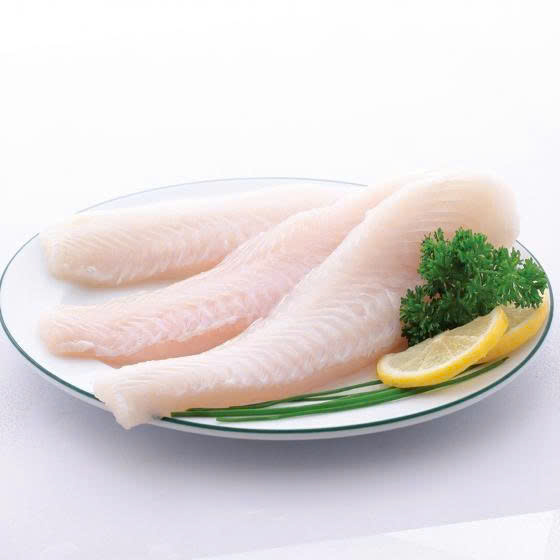
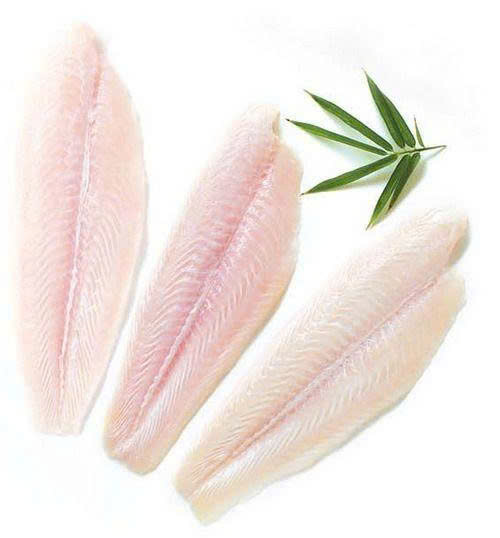
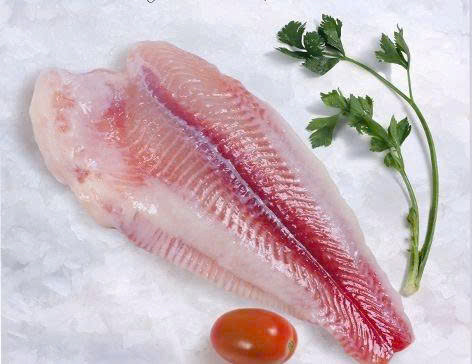
At BQT Seafood (CÔNG TY TNHH CHẾ BIẾN THUỶ SẢN BQT), all pangasius products are farmed and processed under international standards for quality and sustainability, ensuring complete safety and health benefits for consumers. We offer a wide range of product cuts to meet diverse culinary and processing needs:
Below is a quick summary table of key nutritional metrics along with a detailed breakdown of each nutrient in 100 grams of pangasius flesh:
| Nutrient | Amount (per 100g fish) | Key Benefits |
|---|---|---|
| Protein | 23% – 28% | Easy to digest, provides complete essential amino acids. |
| Fat (Lipids) | ~ 3.5% | Mostly unsaturated fats (50% – 70%), supports heart health. |
| Cholesterol | 22 – 25 mg | Very low level, suitable for people managing high blood cholesterol. |
| Omega-3 (EPA & DHA) | 0.8 – 1.2 g | Supports brain development, eye health, and joint protection. |
| Phosphorus & Calcium | 200 – 250 mg | Strengthens bones and teeth, helps prevent osteoporosis. |
| Vitamin B12 | 1.5 – 2 mcg | Supports red blood cell production, nervous system health, and stress relief. |
Pangasius contains an impressive protein content ranging from 23% to 28% per 100g of flesh. A key advantage of pangasius protein is its short muscle fiber structure, making it easier to digest and absorb than red meat. In addition, it provides all essential amino acids in a well-balanced ratio, supporting muscle recovery and growth.
With only around 3.5% fat per 100g of flesh, pangasius is well-suited for weight management and balanced diets. Notably, 50% to 70% of its total lipids are unsaturated fats, which help lower LDL ("bad") cholesterol, reduce cardiovascular risk, and support brain function and immunity.
100g of pangasius flesh contains only about 22 to 25 milligrams of cholesterol. While the body needs cholesterol, excess intake can increase the risk of atherosclerosis and heart disease. Its low cholesterol content makes pangasius a sensible choice for older adults and individuals monitoring blood lipid levels.
Pangasius provides roughly 0.8 to 1.2 grams of Omega-3 per 100g of flesh. Because the body cannot synthesize Omega-3 on its own, it must come from diet. Its two primary components, EPA and DHA, play vital roles in vision, brain health, cardiovascular protection, and joint lubrication—making it especially helpful for growing children, pregnant women, and nursing mothers.
Every 100g of pangasius flesh supplies about 200 to 250 milligrams of phosphorus and calcium. These two minerals form the foundation for strong bones and teeth. Phosphorus also helps regulate energy, support metabolism, and maintain natural pH balance, making it valuable for children, seniors, and those at risk of osteoporosis.
Vitamin B12 in pangasius reaches around 1.5 to 2 micrograms per 100g of flesh. As a water-soluble vitamin, B12 directly supports red blood cell formation, protects the nervous system, aids memory, and helps slow signs of aging. Including pangasius in meals can help ease fatigue in people with anemia, high stress levels, or advancing age.






 71 Ho Be Street, Thoi Son Ward, Dong Thap Province, Việt Nam
 +84 363 981 937
 info@bqtseafood.com.vn
 www.bqtseafood.com.vn

Hotline